Saturday, January 28, 2023

The Angelic Doctor

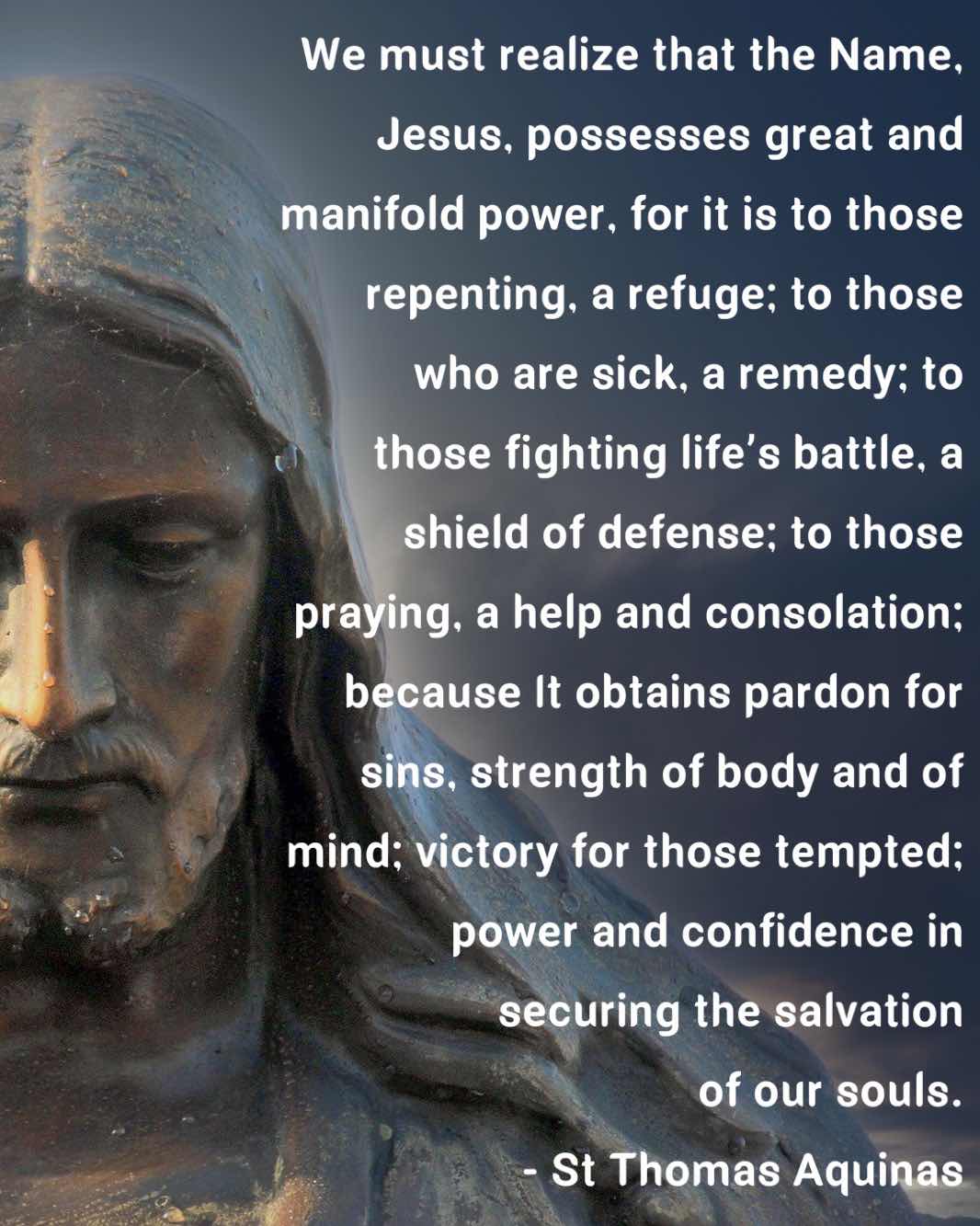
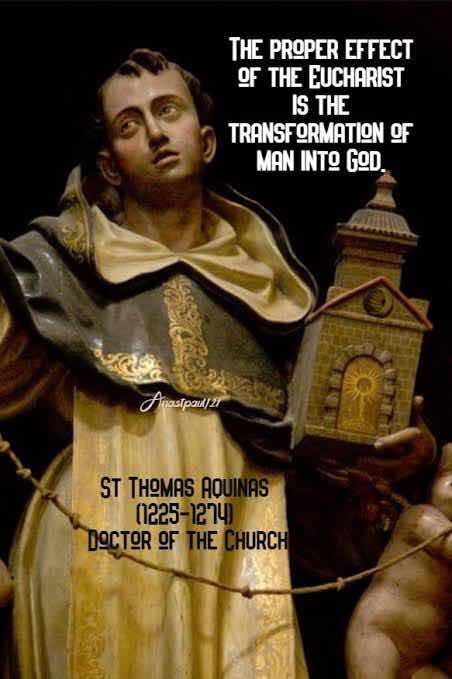
Today we celebrate the Memorial of St Thomas Aquinas - The Angelic & Common Doctor. Angelic because of the heights of perception he achieved philosophically and theologically. Common because his teachings became the norm for Catholic theology especially after the Encyclical of Pope Leo XIII.  

St Thomas Aquinas is one of those figures in Church history that are either loved or hated. For those who love him - he is the model of wisdom and learning, the perfect combination of philosophy and wisdom who continues to teach the Church today. For those who hate him - he is a rigid, pedantic thinker who ruined theology by introducing Aristotelian philosophy and made it a dry intellectual exercise, thereby corrupting Catholicism. 

But who is the real St Thomas Aquinas? 

St Thomas Aquinas is arguably one of the greatest minds produced in the West. He was a Dominican friar who learnt philosophy and theology from his professor, St Albert the Great. It was St Albert who introduced him to the philosophy of Aristotle. 

Christian philosophy in the West and the East had always primarily been influenced by Plato. Arguably it was Neoplatonism that influenced the majority of Christian language, terminology and thought. Neoplatonism is a highly mystical, abstract and spiritual philosophical school of thought that lent itself very well to the early Church Fathers as they were developing theology to explain the faith (especially regarding the mystery of Trinity). 

The Church Fathers however, were not only influenced by Neoplatonism. Many were also influenced by Stoicism, especially St Clement of Alexandria and to a lesser degree it is argued that the Desert Fathers (especially Evagrius Ponticus) were too. In fact our understanding of the virtues, the deadly sins and the Logos all come from or developed out of Stoicism. 

So why did St Thomas Aquinas begin to use and appropriate Aristotelian philosophy instead of sticking with Neoplatonism? He integrated it so much into his thought, that it is often said that Aquinas “baptised Aristotle” ie.. his thought. 

Due to history, wars and tragedies - manuscripts were often lost, burnt or stolen. So in the West, the writings of Aristotle were mostly unknown, or only known through secondary sources up until the 1200’s. This is why Neoplatonism was the dominant influence in philosophy and theology. So this is the context of St Thomas Aquinas and his writings. 

It was St Albert the Great, who taught St Thomas and introduced him to the philosophy of Aristotle. So with this foundation and example from his holy teacher and mentor, he learnt to synthesise Aristotelian philosophy with the faith and so find new ways to explain theology for new generations of students. This was such a novelty and ongoing controversy at the universities at the time, that he was even accused of heresy! 

Philosophy is human language and reasoning trying to understand reality. Whereas theology is man’s response to the Revelation of God and so is faith trying to find expression is human language. So although St Thomas Aquinas found the philosophy of Aristotle useful - he only ever saw it as a means to an end. It was a way of explaining and understanding truth, to come to the ultimate Truth which is God. 
  • It was St Thomas Aquinas who developed the so called “5 ways” of knowing/proving the existence of God (Motion, Efficient Cause, Necessity, Gradation/Degree, Design) 
  • It was St Thomas Aquinas who developed our understanding of the full human person as a body and soul. Not a soul caged in a body, but an embodied soul. A body that cannot exist without a soul and a soul that cannot exist without a body - embodied soul and ensouled body. Personhood requires both, body and soul to be fully human. 
  • It was St Thomas Aquinas who helped us to understand that if God is truth, then whatever is true can only lead is to God. Therefore there is no opposition between faith and reason. Through reason and the study of things (science) we can come to knowledge of reality, however that can only allow us to under understand things to a degree. So ultimately reason needs the illumination of Faith to be elevated to understand ultimate Truth which is God. 
  • It was St Thomas Aquinas who formulated the famous phrase of “grace builds upon nature”. This means that nature (our physical body, dispositions etc) is good, and reflects the goodness of God in creation. However due to sin we are not able to have union with God, we need grace. So grace is what elevates and perfects us, so we can share in the friendship of God and have union with God. So the spiritual life requires development of the virtues and respecting the goodness of creation, that then through grace is elevated and perfected. 
  • It was St Thomas Aquinas himself who helped developed the teaching and understanding of the mystery of the Real Presence of Christ in the Eucharist - what we call Transubstantiation. 
The most famous of the writings of St Thomas Aquinas is his Summa Theologiae. This was his systematic explanation of theology he wrote for his students (although it was never finished. He also wrote the Summa Contra Gentiles which is more of an apologetics books on theology, as well as biblical commentaries and commentaries on the writings of Aristotle. His rigorous application of logic when discussing theology and his insistence on defining terms is what has given him the reputation of his detractors of someone who is a dry intellectual with no soul or love. However this could not be further from the truth! 

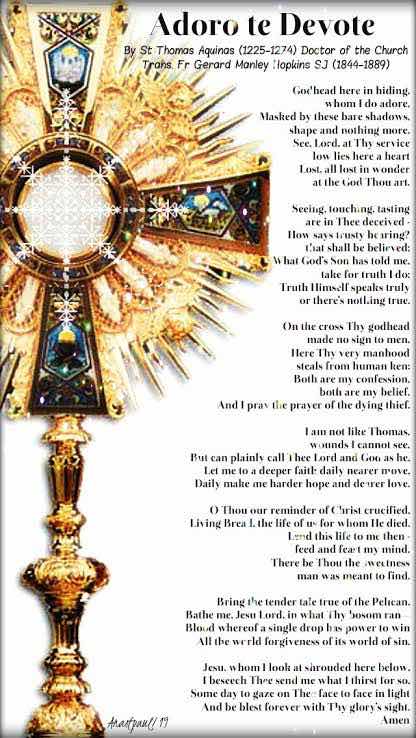
It is often forgotten or taken for granted that some of the most famous prayers and hymns in Catholicism were written by St Thomas Aquinas himself. Anytime you’ve been to Adoration with Benediction and sung O Salutaris Hostia at the beginning or ended with singing Tantum ergo - you are singing words written by St Thomas Aquinas. If you have ever been to a wedding and heard the song Panis Angelicus, that was also written by him! 

These beautiful poetic hymns are packed with dense theological meaning. Only someone in love with God could have written such words. So don’t be fooled into thinking St Thomas was a boring, dry medieval philosopher. He was a true mystic! 

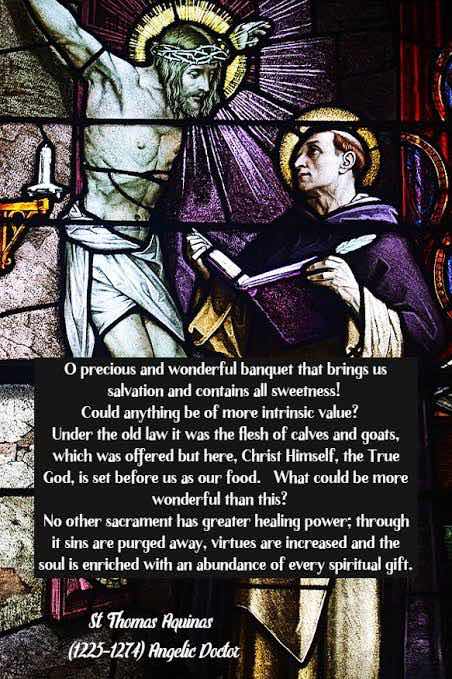
God for St Thomas was not an abstract concept removed from everyday life. God reveals and manifests himself to us through creation, nature, beauty, friendships and truth. But for St Thomas Aquinas, none of this could match the mystery of Jesus in the Eucharist. It was the Eucharist that informed and permeated all his life and search for God, and it was the Eucharist that for him was the greatest expression and manifestation of God’s love for us. 

May St Thomas Aquinas through his example and doctrine, help us to deepens our love for the Blessed Sacrament - so we too can grow in charity for God and our neighbour, this sharing in the beatitude we were all created for. 


Saturday, January 21, 2023

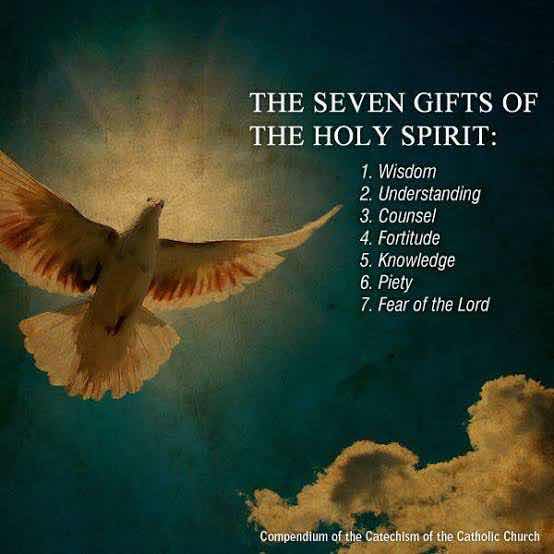
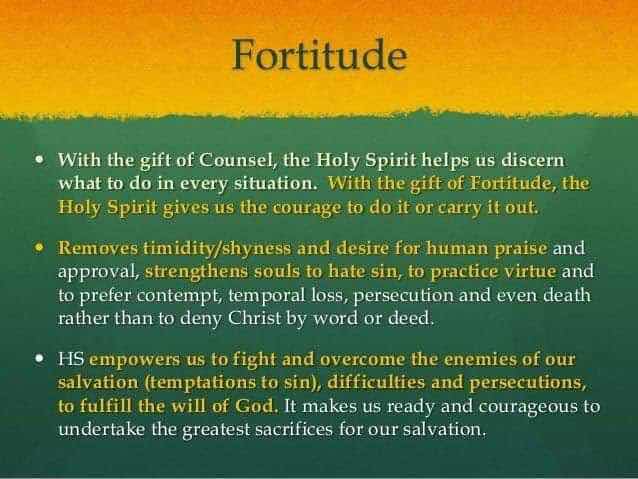
Fortitude as a gift of the Holy Spirit

It is not easy to be a Catholic in today's age. So in my own life as a hermit, I have found that fortitude is a virtue and grace that regularly needs to be prayed for and cultivated. When so much around us is based on feelings or emotions, and not based on God's truth or on reason, then it takes fortitude to be able to remain steadfast in your faith, and in loving God.

The Catechism defines Fortitude as follows CCC #1808 
Fortitude is the moral virtue that ensures firmness in difficulties and constancy in the pursuit of the good. It strengthens the resolve to resist temptations and to overcome obstacles in the moral life. The virtue of fortitude enables one to conquer fear, even fear of death, and to face trials and persecutions. 

So fortitude is to remain constant in the face of difficulties. It requires, courage, strength and even at times an act of faith. We have to choose to follow the Holy Spirit and the Gospel even when everything else is telling us we don't have to. So this act of faith, of still choosing to follow God no matter what, is what we call fortitude. In my own spiritual life, I have renamed this as "holy stubborness". This is because at times I have to be so stubborn in my faith, that I have to choose to love God and follow him even inspite of all my sins, failings and weaknesses. But constantly relying on the mercy of God to say "Lord I know you love me, help me to love you more", then getting up and continuing to move forward in faith.

Fortitude is linked to the 7th Beatitude - those who suffer and are persecuted. It is not possible to suffer for the faith, be persecuted and remain faithful to Jesus without the gift of fortitude. This is linked to what I call the empowerment we receive from the Holy Spirit (Acts 1:8) to strengthen us. We receive this initially in Confirmation, and then everyday we can pray for an infilling of this grace from the Holy Spirit.

We can see the gift of fortitude fulfilled by Our Lord in the agony in Garden of Gethsemani (Luke 22:39-46, Mark 14:32-42, Matthew 26:36-46). He says that his soul is sorrowful unto death, but still says that he chooses the Will of the Father - this is Fortitude and Holy Stubborness! 

To choose to follow God and to love him requires an act of the will. This is why St John of the Cross teaches us: 
“Love consists not in feeling great things but in having great detachment and in suffering for the Beloved.” It requires an act of the will, strength, courage, determination to act contrary to how we may feel, and still choose to love God, to follow Him - this is Holy Stubborness, the Gift of Fortitude that we receive from the Holy Spirit who empowers, strengthens and comforts us in the spiritual life.


Wednesday, January 11, 2023

Holy Spirit as the Gift of Christmas

Now that the New Year has begun and the festivities of Christmas have settled down or ended, I wanted to reflect on the Holy Spirit as the Gift of Christmas.

For most of us, we associate Christmas with presents, spending time with family, nativity scenes, Midnight Mass and the infant Jesus. But for most of us the Holy Spirit is not something we associate with Christmas .

The Holy Spirit is the ultimate Gift, the one given to us by the Father and the Son. The Holy Spirit is also the one that empowers us, sanctifies us and gives is the grace to make our life a gift back to the Father through the Son. The Holy Spirit is the gift that enables the Church to continue the sacraments, that gives power and efficacy to them (CCC #739). The Holy Spirit is the soul of the Church that continues to vivify her and all of us as members of the Mystical Body of Christ, the Church. The Holy Spirit also gives us the grace to grow in charity - the divine love we are called to by virtue of our baptism.

St Bernard of Clairvaux referred to the Holy Spirit as the "kiss between the Father and the Son'. What a beautiful image! With this Augustinian understanding of the Holy Trinity, the Holy Spirit is the mutual love between the Father and the Son. So we can also say that the Holy Spirit is the intimacy of the Trinity itself! 

At Christmas we celebrate the mystery of the Incarnation, the Word made flesh - Emmanuel, God is with us! This new level of intimacy with God is the gift we are all offered. To be children of the Father, through union with the Son. Jesus became man, to elevate our humanity and unite it with the Trinity. This is what the Church Fathers all taught, and so if we develop this further - we can also see that the Holy Spirit is the additional gift of Christmas.

The Holy Spirit is the gift given to us to enable and empower us to live our calling as Christians. In baptism we are united to and reborn in Christ, becoming one with him. So too, we also become temples of the Holy Spirit. The indwelling of the Holy Spirit enables us to call God "Abba, Father" (Romans 8:15) and to also be sons in the Son. The Holy Spirit is the one who teaches us to pray (Romans 8:26), to understand the teachings of Jesus (John 14:26), He heals us of our woundedness and sin, and is the one who comforts us and advocates for us (John 14:15, John 14:26)

The Holy Spirit is the gift of intimacy that we receive as our birthright as Christians. Marked, signed and sealed by the Spirit (Ephesians 1:13), we are led by the Spirit and given the freedom of the children of God (2 Corinthians 3:17). How can this not make us exclaim in wonder and joy? The Holy Spirit gives us freedom, joy and love! (Galatians 5:22-23)

So this Christmas, let us remember the gift that Jesus us given us - the Holy Spirit. The bond of the Trinity, the kiss between the Father and the Son, the intimacy of the Trinity itself. This is our gift we have received and can call upon everyday! The Lord the giver of Life - the Paraclete, our Comforter and Advocate is the gift of love that helps us to experience and know the love of God (Romans 5:5), the intimacy of the Holy Trinity.

This is invitation we have from the Holy Spirit himself this New Year, and every moment of our lives -

"The Spirit and the bride say, “Come!” And let the one who hears say, “Come!” Let the one who is thirsty come; and let the one who wishes take the free gift of the water of life." (Revelation 22:17).

Will you accept the invitation and the gift?


Sunday, January 8, 2023

The manifestation of God - hidden glory revealed

Today we celebrate the wonderful feast of the Epiphany - the manifestation. This is also known as the Theophany - the appearance of God visibly manifesting himself. 

Theophanies are remembered throughout the Old Testament with Jacob wrestling with God, Abraham and Sarah providing hospitality to the 3 angels, Moses seeing the Burning Bush , the Pillar of Fire and Cloud that led the Hebrews out of Egypt (Genesis 18:1-15, Genesis 32:24-30, Exodus 3:2, Exodus 13:20-22). These were special moments of encounter - God personally revealing and manifesting himself to his people to form relationship. 

So what encounter is being remembered and celebrated today? For most people, today is associated with the Magi - the three wise kings who brought gifts of gold, frankincense and myrrh to the newborn Jesus. However this feast celebrates more than just that. 

This feast focuses on the manifestations of Christ as God in the flesh, the pivotal moments of the life of Christ that revealed or manifested the divinity of Jesus. 

So today the Church celebrates - the homage of the 3 Magi, the baptism of Jesus in the Jordan, and the miracle at the wedding of Cana. But what is it about these 3 events that are so pivotal to be highlighted in todays feast? 

With the 3 Magi, we see the fulfillment of the prophecy in Isaiah chapter 60. This chapter mentions that foreigners and kings will worship the God of Israel, bring him homage as well as gifts of gold and incense. This is connected to Isaiah prophesying about the light of God that will shine on his people and the glory that will appear or manifest when the  pagan nations help restore Jerusalem and the scattered remnants of Israel are brought back to Zion for a time of peace and worship. 

So the 3 Magi bringing gifts to the newborn King of the Jews had messianic and salvific meaning. The gifts of gold recognise the kingship of Jesus, the frankincense his divinity - because frankincense was reserved for worship. But the Gospel also mentions myrrh - this is an embalming perfume ointment. So this gift symbolises the death that Jesus would undergo as part of our salvation. This is why the event of the 3 Magi is an Epiphany or Theophany - it manifested the hidden identity of Jesus Christ our Saviour. 
The next event is the baptism of Jesus in the Jordan river. This is also celebrated as a separate feast in the Church because of the multiple meanings it has. So why is it connected to Epiphany? 
When Jesus was baptised, the voice of the Father proclaimed “This is my beloved son” (Mathew 3:17, Luke 3:22) and the Holy Spirit appeared over him like a dove. So this was a full manifestation of the Holy Trinity - a Theophany. Jesus is revealed as the Beloved Son of the Father, filled with the Holy Spirit. The hovering of the Holy Spirit over Jesus is reminiscent of the Holy Spirit hovering over the waters of creation (Genesis 1:1-2), as well as the dove who brought Noah an olive branch after the flood (Genesis 8:10-11). This was to show that through his own baptism, Jesus has sanctified the waters of the new creation, so in baptism we become a new creation in him. 

Then we come to the miracle at the wedding feast of Cana. This can seem a bit strange compared to the other two manifestations because it doesn’t have as much obvious symbolism. But the Gospel of John tells us that by the miracle of turning water into wine, Jesus was manifesting his glory (John 2:11). So the Gospel itself says that this was an epiphany. 

This miracle is the beginning of the public ministry of Jesus. It is the inauguration of the Kingdom of God - through miracles, Jesus is revealing his divinity as the Son and manifesting the Kingdom of God is beginning. The Kingdom of God is inaugurated with a wedding feast, and will be completed at his own wedding feast - the Wedding of the Lamb (Revelation 19:9). Just as Jesus turns water into wine, so too he tells the Apostles after he institutes the Eucharist that he will not drink wine again until he enters into the Kingdom (Matthew 26:29, Luke 22:18). 

So the miracle at the wedding of Cana is Eucharistic, but also Messianic. Through this first miracle, Jesus manifests his divinity and inaugurates the Kingdom of God. 

As a child receiving homage from the Magi, at His baptism in which the Holy Trinity manifests, and at the wedding of Cana where he reveals his identify - these three moments powerfully proclaim, reveal and manifest the identity of Christ and our salvation. 

This is what the Church celebrates today in this Feast of the Epiphany. The Messiah King descendant of David is acknowledged by the nations to bring them into worship of the true God. This King is also the High Priest who sacrifices himself to purify us from our sins, unites himself to us in the waters of baptism and leaves us the miraculous wine of the Eucharist - which is his wedding banquet that we will one day share in glory, but even now partake of in remembrance of him. 


Wednesday, January 4, 2023

The Humanity of Christ as bait that destroyed death from within

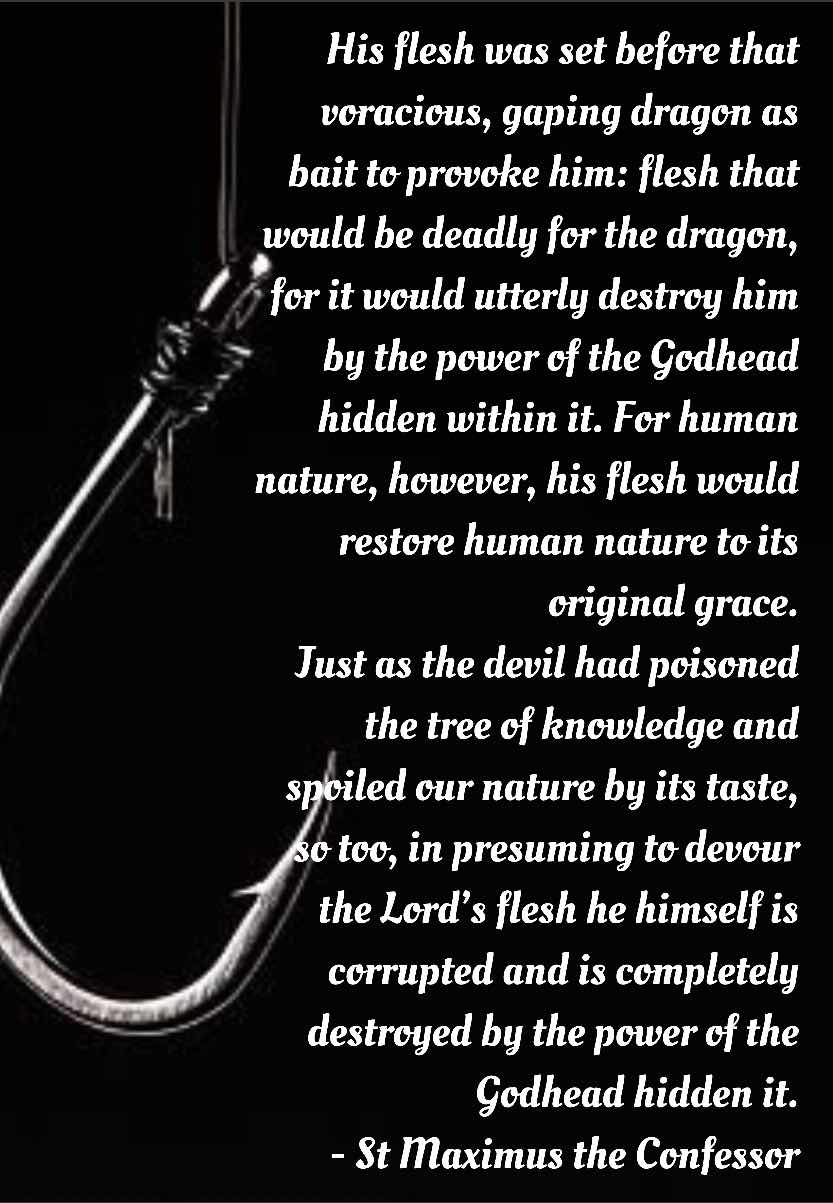
In the 2nd reading for the Office of Readings today, there’s a very interesting excerpt from St Maximus the Confessor - a Byzantine monk and theologian. He is considered one of the Church Fathers and is highly venerated in Orthodoxy and Eastern Catholicism. 

In the quote, he refers to the humanity of Christ as the “bait” by which he hooks in the devil into swallowing him, then by the power of his divinity he is able to poison the devil and destroy him from within. 

This way of understanding and explaining the atonement is known in theology as the Christus Victor theory. Most of us in the Western world are used to hearing the Satisfaction/Substitution theory - by His death on the cross Jesus died in our place and pays the price for our sins, thereby “redeeming” us or buying us back from the power of the devil. 

Both of these views need not be mutually exclusive. They can both be found in the Church Fathers and Saints of the Church. As with most things in theology there are often multipole layers or nuance of meaning. When understood properly they can enrich our understanding of the mysteries of salvation and increase our faith. Just as St Maximus himself says at the end of the quote in the Office of Readings : 
Faith alone grasps these mysteries. Faith alone is truly the substance and foundation of all that exceeds knowledge and understanding.
Faith is always something personal and foundational as outlined in the Catechism paragraph #150. Faith is a response , but it is also an acceptance of truth - divine truth. So faith and salvation are linked, because what we believe needs to be in accordance with God’s revelation, it needs to be accepted and adhered to, and it also needs to change our behaviour. So faith should ultimately always be transformative. This is what salvation is all about - transforming us into a new way of being, new life. 

So with St Maximus’ analogy of bait being the poison that destroys death from within. This can be a powerful image to help up reflect on what we actually believe about our salvation. Does being saved just mean I am now a “good person”? Or does it mean that my entire existence is in a process of transformation and configuration to the image of Christ and the Will of God? 

Through Adam and Eve’s disobedience to God, by believing Satan instead of trusting in God, death then entered the world. Death destroys and corrupts - just like a poison. The poison of hatred, selfishness, pride and greed all destroy and kill us from within. But Jesus through his birth and death, inverts all this. By entering into the belly of death and being “swallowed up” by death, he then is able to bring Life and Light to destroy death from within (1 Corinthians 15:54). 

In the same way that the divinity of Christ was “hidden” in his humanity through kenosis, and it was then able to destroy death and the power of Satan from within. So too, in the Eucharist, the Resurrected Christ is hidden under the appearance of bread and wine, and when we partake of Holy Communion, we receive life and grace that transforms is from within. This transformation from within helps to break the strongholds of the devil in our life, detaching us from sin and purifying us. It also gives us a forestaste of eternal life. 

The Church Fathers often made the connection between the fruit of disobedience bringing death. So the Eucharist is then the fruit from the Tree of Life - the Cross, that brings us eternal life. None of this would be possible without the birth of Jesus, taking on our humanity to make us share in His divinity.

Whether the process of salvation is referred to as sanctification in the West or Theosis/divinisation in the East, the focus is always about transformation in Christ. Participating in the sacraments of the Church is where this program of transformation takes place - specifically in Baptism, Confession and Holy Communion. The humanity of Jesus extended in the Church and prolonged in the sacraments is the medicine to heal us and bring us to fullness of life with Him. 


Tuesday, January 3, 2023

The Name above all names

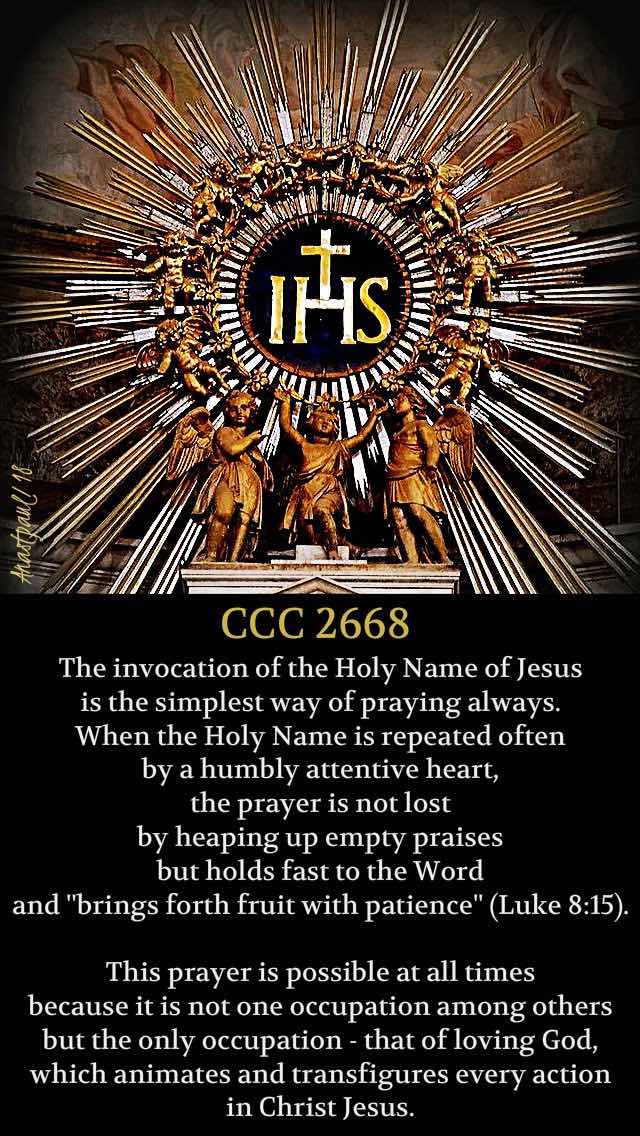
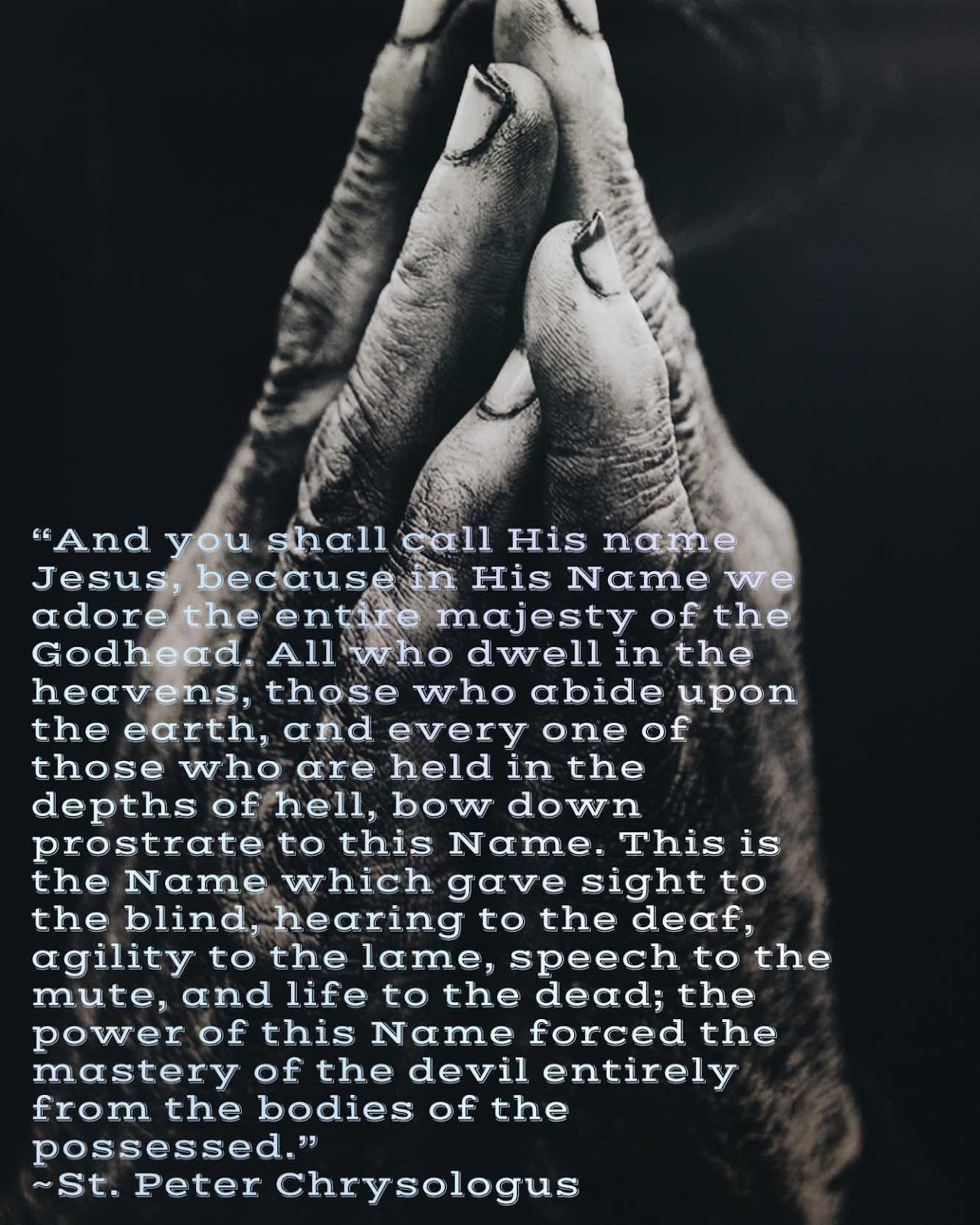
Today we celebrate the Feast of the Holy Name of Jesus.

As Christians, our faith, our hope and our love is based entirely on the person Jesus Christ. No one else.

In all of our prayers as Catholics, we finish our requests with the formula:  "we ask this in Jesus' name" or "we ask this through Our Lord Jesus Christ, who lives and reigns with you and the Holy Spirit, God forever and ever". This is based on what Jesus Himself commanded us John 15:7 and John 15:16 who tells us our prayers will be answered when asked in His Name.

But why is His name so important?

In scripture, a person's name is not only a part of their identity. It also reveals something about them. Names have meaning - for example the Patriarch Abram is given a new name by God in Genesis 17:15. His name is changed to "Abraham" which means the "father of many". Later when he has his son with his wife Sarah, they give him the name of Isaac meaning "laughter" or "he who laughs". We are told in Genesis 21:1-7 that Isaac is given his name because Sarah says that anyone who hears that she is now pregnant as an elderly woman, will laugh at her! 

There are many places in the bible where names have meaning that are connected to their identity, their mission from God or an aspect of how God is working through them ie... Elijah means "Yahweh is my God". His mission as a prophet was to bring the people back to true worship of the God of Israel instead of their idolatry to Baal and false gods. The name Yahweh was important to the people of Israel as this was the personal name that God revealed to Moses in Exodus 3:14.

So in Matthew 1:21 we are told that Jesus received his name because he will save the people from their sins. Etymologically the name Jesus means "Yahweh saves" or the "Salvation of Yahweh". Because Jesus is the Saviour, therefore we can also claim salvation in His Name. This is based on the idea in the Bible of "calling on the name of the Lord" - to invoke him, call for help , to be rescued or saved. 

This is why we are told Acts 4:12 that there is no other name by which to be saved. Jesus is the salvation of God in the flesh, just as He and the Father are one. So too the Name of Jesus also has the power to saver, because it contains the identity of God - Yawheh Saves.

Jesus himself in the Gospel of John reveals His identity to the Jews by claiming the Divine Name of Yahweh Himself - “I AM” (John 8:54-57, John 28:6). This is why the soldiers in the garden fell down (John 18:6) when they heard the Divine Name. No one was allowed to say the Name of God apart from the High Priest once a year in the Temple, so to hear it out loud and to hear Jesus proclaim he was Yahweh was such a shock ti they they fell into the ground. 

St Paul in Philippians 2:9-11 further elaborates on this when he boldly proclaims : 

“Therefore God also highly exalted him and gave him the name that is above every name, so that at the name of Jesus every knee should bend, in heaven and on earth and under the earth, and every tongue should confess that Jesus Christ is Lord, to the glory of God the Father” 

This is a fulfillment of the prophecy in Isaiah 45:23. To bend the knee and bow down we’re signs of subservience, obedience and an acknowledgment of authority of a ruler. So St Paul is showing that Jesus is the Davidic Messiah King who has the authority of God as the Annointed One (Christ is Greek for Messiah), but also he himself is the Lord that is also God. So to bow down to Jesus is the same as bowing down to God Himself (Psalm 72:11) - all the kings of the earth have to acknowledge the King of King and Lord of Lords (Revelation 19:16). 

The Holy Name of Jesus contains His identity and power, it manifests who He is - it saves and can be called upon for salvation because “Yahweh saves”. When we call upon the name of Jesus we reaffirm our own salvation and proclaim the offer of salvation to all who are willing to hear it and call upon it (John 1:12 Acts 2:38-39, Acts 4:2, Romans 10:9). 

The Name of Jesus is our hope and salvation. It is the Name above all names, when we call upon Him we are saved. There is power in the Name of Jesus because it contains the mystery of God Himself.


Sunday, January 1, 2023

Mary, Mother of God - Christological and Apostolic

Theotokos - Mary, the Mother of God 

How often do we pray the Hail Mary and stop to reflect on the words “.. holy Mary, Mother of God, pray for us sinners now and at the hour of our death”? For most of us it is natural to call Our Lady the Mother of God. But in the early days of the Church this was not always the case... 

In the first few centuries of Christianity, as it emerged from the catacombs and no longer persecuted by the Roman Emporers, it became an official established religion. However disagreements soon started to arise as to how to explain what they believed. This is where faith and philosophy started to come together and the Church Fathers were formulating our faith for us, defending the faith against false interpretations and heresies. Over time they gathered together in Councils to discuss, define and proclaim the faith. These are called the Ecumenical Councils and the Creed we say at Mass every Sunday was formulated at these councils - specifically the Council of Nicea in 325 and fine tuned later at the Council of Constantinople in 381.

One of the most complicated issues in the early Church was to really explain and understand who Jesus Christ is and was. We easily and without hesitation profess that we believe that Jesus Christ is “true God & true man” - but what does this mean? How can he be both? Surely he was a person who would veryine became divine right? Or was he the Eternal God who became human and looked like a human but wasn’t really a human, he only appeared to be one. 

The way that the Church Fathers agreed to understand this mystery is called the “Hypostatic Union” - a human nature and divine nature, united as one person. This is a mystery and difficult to understand of course, but that’s the beauty of our faith and the rich theological tradition we have inherited! These two natures/substances were unified, united and joined to create one person - Jesus Christ of Nazareth. 

The second person of the Trinity - the Son, the Eternal Word came into the womb of the Virgin Mary, took flesh from her, creating a body for Himself and became a human baby. But the human baby was not just an empty shell that was possessed by God, it was a normal human being just like us but without original sin. This baby was a new creation just like Adam was, but instead of being formed from the earth like Adam was, this baby was formed from the virgin “earth” of Mary - her humanity. This baby was fully human and fully divine, not a hybrid or a monstrosity - but a wonderful, mysterious new creation. The Son (second Person of the Trinity) created this human body and He assumed it, became one with it, and this created human nature was simultaneously and mysteriously divine - a human person was God! This new being is something that had never exited before , nor could anyone comprehend it. This new being, fully human and fully divine, was a single unified person, whole and indivisible - the Godman, Jesus. The union of divinity and humanity in this baby is the Hypostatic Union. This is the wonderful mystery we have been celebrating this Christmas period! 

As the Magnificat Antiphon from the Divine Office for today proclaims: 
“Marvelous is the mystery proclaimed today: man’s nature is made new as God becomes man; he remains what he was and becomes what he was not. Yet each nature stays distinct and for ever undivided.”

This is why we invoke Our Lady in our prayers and call her the “Mother of God”. Because she gave birth to God Himself! The human nature of Jesus was taken from Mary, in the same way that all of us take out biological make up from our parents to become a unique person. So too Jesus was a unique person - human nature from Mary, divine nature of the Son. But these two natures are unified in a wonderful harmony. There is no opposition between them, nor is it the case of the humanity being absorbed by the divinity. The two natures miraculously exist as one united whole person, this Hypostatic Union is Jesus of Nazareth, the Messiah, our Lord and Saviour who died on the cross for us, but defeated death, and now reigns in the glory of heaven. 

Because most of us are not able to really understand this mystery, many people instead dismiss it or try to explain it incorrectly and fall into heresy. This is what happened in the early Church. Some people agreed that Jesus was fully human and divine, however they said that Mary could only have given birth to the human nature of Jesus. Their logic was that if they said Mary gave birth to God then it would mean that she somehow became greater than God Himself and this was too scandalous for them to consider.

But this is exactly the scandal of the incarnation - of God becoming flesh. God “stripped off” His glory, he emptied Himself to become human (Philippians 2:6-7). This emptying of Himself is called “Kenosis” in theology, because it is the Greek word meaning to self empty. The Church Fathers also spoke of this in terms of God “Condescending” - which comes from Latin meaning to “come down with/together”. The Eternal God coming down to us, making himself little, small, understandable and tangible. He “humbled himself” in this action of condescension and kenosis in the Incarnation. 

This humility of God, this coming down with us, this self emptying, can help us to understand what St Paul is referring to in his wonderful hymn in Philippians 2:5-12. In another letter he juxtaposes this imagery with another term - “Pleroma” which means fullness. So in Colossians 1:29, he speaks of the fullness, the pleroma that dwelt in Christ - that is the fullness of divinity, the Godhead. So  God was fully present and dwelt in the person of Jesus Christ, but without showing His glory. Jesus was fully God and fully human, divinity emptied of glory to unite with humanity, and humanity now containing the infinite fullness of divinity. This is the mystery of the Hypostatic Union. 

The Hypostatic Union is two natures - human and divine, united in one Person - Jesus Christ.  They cannot be separated or confused. The two natures united and fused in a new creation, they cannot be separated or distinguished. There’s no such thing as Jesus the human acting one way, and then Jesus acting a different way as God. The two natures although different, we’re fully united and joined. They cannot be separated or one seen as an addition to the other - the two natures existed together as a united and indivisible whole. Everything that Jesus did - breathing, walking, speaking, eating, sleeping - his entire existence was the one action of his human nature and divine nature, completely in harmony and union. 

This meant he also only had will. He did not have a human/divine split personality, not was he schizophrenic. The fully human and fully divine natures of Jesus are united as one  single person, who has one will, one mind, one body, one soul, one existence. (How we understand the two natures in one person, yet with one Will, was further developed at addressed at the Ecumenical Council of Chalcedon in 451. That is a different and complicated topic that I will not go into here.)

So when Our Lady gave birth to Jesus at Bethlehem - she did not give birth to a human body only. She gave birth to Jesus, the baby boy who was human and divine, one person. This means that she gave birth to God! 

This is why from the earliest days we have honoured Mary and invoked her with the title of Mother of God. The original Greek term for this is Theotokos which actually means the “God bearer” or you could even say “birth giver of God”. This is how the Slavic peoples translated Theotokos when they call her the Bogorodica. 

Mary the Mother of God, the Theotokos, was proclaimed a Dogma at the Ecumenical Council of Ephesus in 431. This Council was presided over by St Cyril of Alexandria who we have to thank today not only for our theological language, but also for the Creed we recite at Mass on Sundays and Solemnities.  This is why St Cyril is not only a Church Father, but he is also a Doctor of the Church. 

The Council of Nicea when formulating the Dogma of the Theotokos, Mary the Mother of God proclaimed the following anathemas: 

1. If anyone does not confess that Emmanuel is God in truth, and therefore that the holy virgin is the mother of God (for she bore in a fleshly way the Word of God become flesh, let him be anathema.

2. If anyone does not confess that the Word from God the Father has been united by hypostasis with the flesh and is one Christ with his own flesh, and is therefore God and man together, let him be anathema.

An anathema is a declaration of the Church that is you reject a Dogma, then you are “accursed”. You have removed yourself from the True Faith, you are not part of the Church and therefore you have lost your salvation - you are excommunicated. 

So to deny that Mary is the Mother of God, the Theotokos, is to fall into christological heresy. It is serious stuff! So remember this next time you take your prayers or devotions for granted, when rushing through the rosary without realising what you’re praying, Everytime you invoke Our Lady as Mother of God, you are affirming and declaring your belief in the Hypostatic Union! You are showing you are in continuity with the Apostolic Faith as defined and proclaimed by the earth Church Councils. Everything we do and say always has meaning! It is impregnated with meaning! 

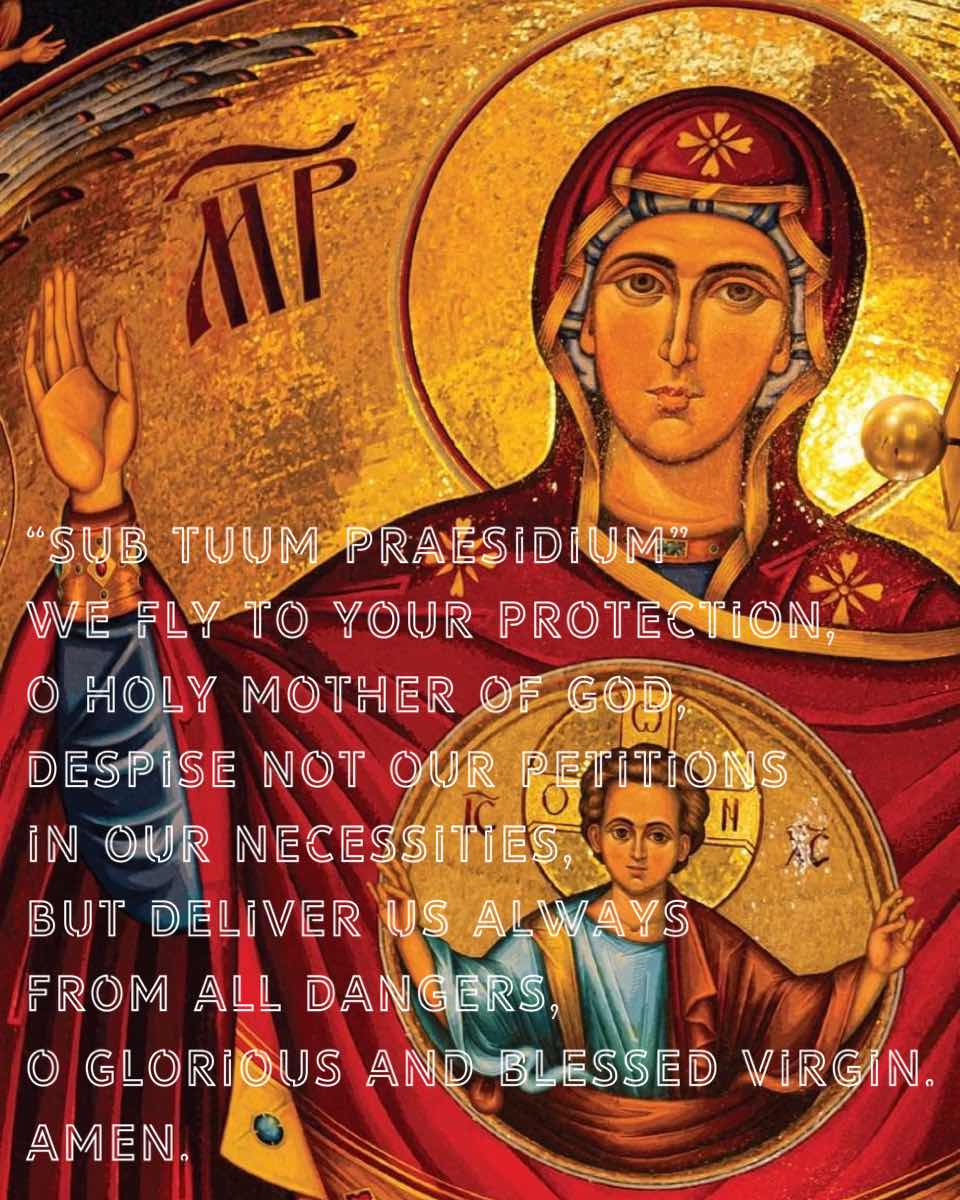
One of the earliest prayers recorded to Our Lady is known as the “Sub tuum praesidium”. The oldest papyrus copy of this prayer is dated to the year 259. This is older than many of the codexes we have of the scripts of the Bible itself! Even the canon of the New Testament was not codified until sometimes between the years 382 - 405, depending on what scholars agree on. 

In this prayer to Mary, she is referred specifically referred to as the Theotokos, the Godbearer, Mother of God. The Latin version of the prayer uses the term “Dei Gentrix” which is closer to the Greek Theotokos. However over time, the terminology changed and so in many Latin prayers like the Hail Mary, the words used are “Mater Dei” - which we know in English as Mother of God. 

So devotion to Mary is truly Apostolic, it is an integral part of what it means to be Christian. The evidence for this speaks for itself when the papyrus for the “Sub tuum praesidium” prayer is at least 130 years older than before the agreed canon of the New Testament was codified by the Church. Devotion to Mary is not only Apostolic, it is also Christological - whatever we say about Mary reflects our belief in Jesus Christ himself.  

This is also why many of the Church Fathers and saints throughout the ages have symbolically interpreted passages of the Old Testament as prefiguring Mary ie.. she is the mother of Life, the New Eve (Genesis 3:20), she is the Virgin Earth from which the New Adam is created (Genesis 2:7), she is the Burning Bush who was consumed by the fire God (Exodus 3:2), the Closed Garden that meant she was a perpetual Virgin (Song of Songs 4:22), the Ark of the New Covenant that contained the word of God (Exodus 25:10-20), the pure Cloud that brings the Rain of Righteousness (1 Kings 18:44). 

These are just to name a few that the Church Fathers identified. Others are mentioned in the  Litany of Loreto - such as Tower of David, Mystical Rose, House of Gold, Gate of Heaven, Morning Star.. 
All of these titles come from images in the Bible, and although the refer to Mary, they all highlight an aspect of Christ. So they are also Christological. All our devotion and honour for Mary always points back to Christ. It’s that simple. We have such a rich symbolic and mystic tradition that is constantly reaffirming and proclaiming our belief in Christ, even when it’s the simplest of prayers or actions. Even our statues and icons only exist because if the Incarnation, because as St John Damascene points out, the invisible God became visible, he became flesh and has a face, so now even physical reality points towards the Incarnation. 

Today we celebrate the fact that Mary is the Mother of God, the Theotokos. She bore God, gave birth to God, taught God to walk and talk. The Eternal Word became silent and learnt how to speak from Mary his mother! Love made flesh received love and learnt how to love from his Mother Mary. 

The Maternity of Mary, the Divine Motherhood is the hinge of our faith. It is such an essential and intrinsic part of our faith we can easily overlook it or take it for granted. But it’s been hidden in the Old Testament and then in the fullness of time (Galatians 4:4-7) been made manifest on the New Testament. When you understand scripture as the early Christian’s and Church Fathers did, as the Church still reacted is to - then your eyes will open in wonder, you will sing the praise of God with joy, and you’ll want to ensure all generations (Luke 1:48) call the Immaculate Virgin Mary, Full of Grace (Luke 1:26), Blessed among women (Luke 1:42) - the Most holy Theotokos, Mother of God. 

Let us make these our prayers that the Church boldly proclaims with all the saints in the Divine Office during the antiphons for Evening prayer for the Solemnity of the Mother of God :  
Antiphon #1 
O wonderful exchange! The Creator of human nature took on a human body and was born of the Virgin. He became man without having a human father and has bestowed on us his divine nature.
Antiphon #2 
You were born of the Virgin in a mysterious manner of which no man can speak; you fulfilled the scriptures; like rain falling gently on the earth you came hither to save the human race. We praise you: you are our God.
Antiphon #3 
Moses saw the thorn bush that was on fire yet was not burnt up. In it we see a sign of your virginity, which all must honour. Mother of God, pray for us.


Saturday, December 31, 2022

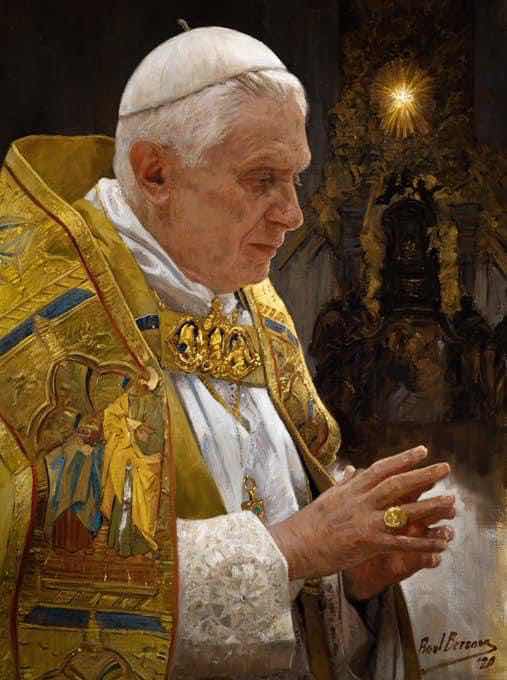
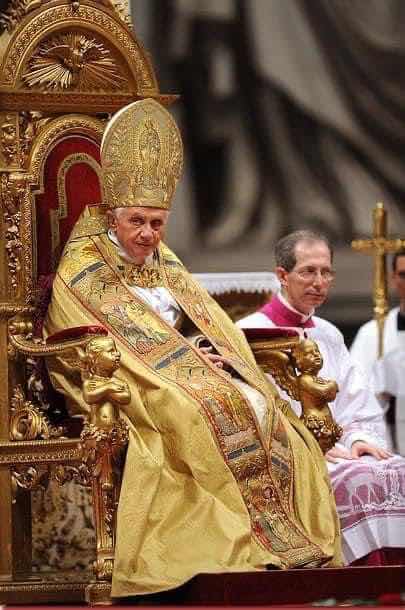
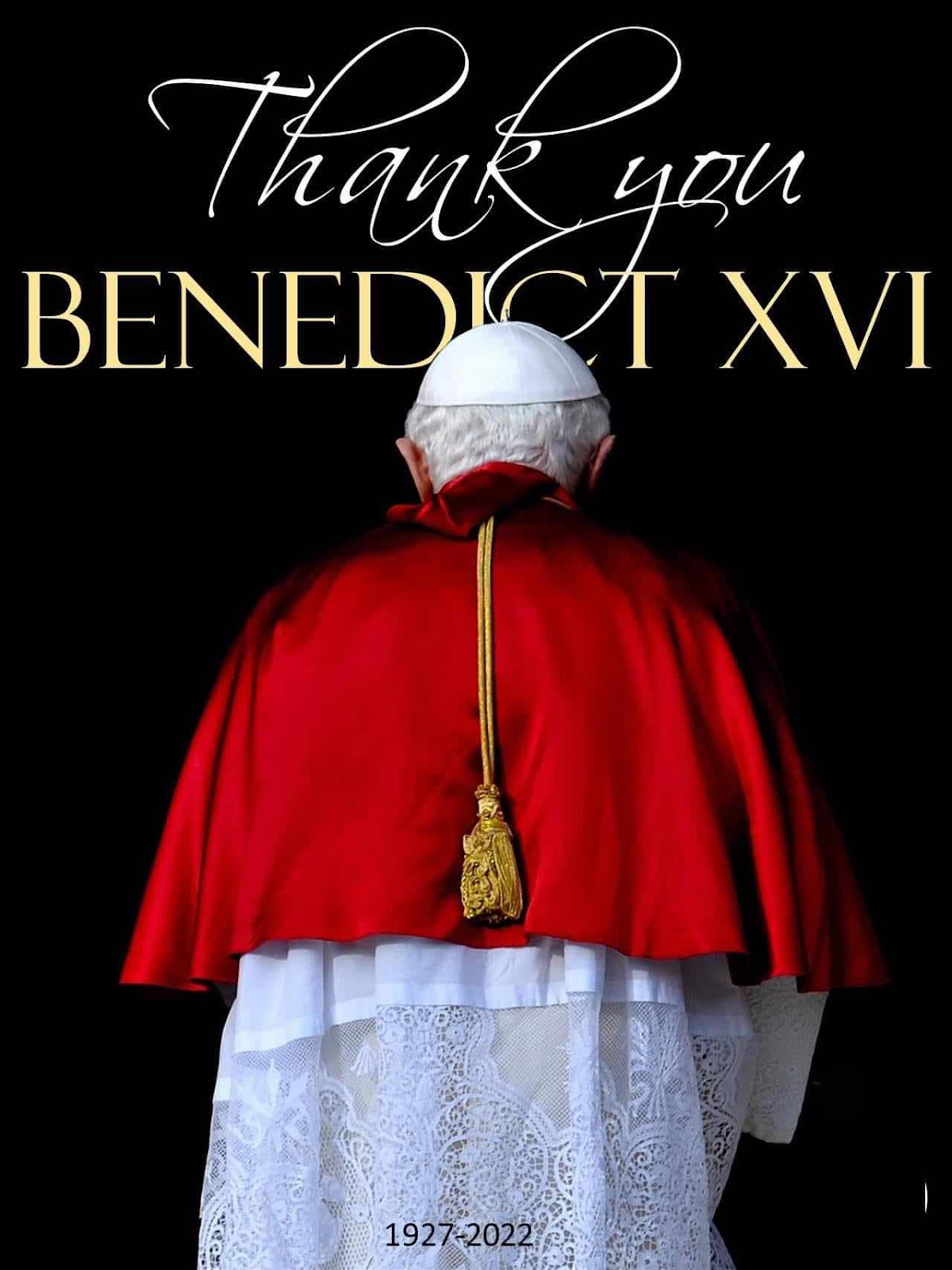
Pope Benedict - servant of the Truth and friend of Jesus

After serving evening Mass for the Vigil of the Solemnity of the Mother of God, then adoration with benediction afterwards - I have just heard the sad news that my beloved hero in the faith, Pope Benedict has passed away. 


No one has influenced me more than this gentle man of God, who one day I believe will not only be proclaimed a Saint but also a Doctor of the Church. He taught me that faith must able be from an encounter with the person of Jesus Christ, who is Love made flesh, but also Truth made flesh. Faith and reason, truth in love that gives life. This personal encounter is transformational and finds it’s apex in participation in the Liturgy of the Church, particularly in the Sacrifice of the Eucharist. The Eucharist is cosmic whilst also deeply personal, that needs to overflow into our everyday life through patience with others, helping people feel loved and wanted. This overflow of love always needs to begin from the confidence that God loves me, has willed me, has a purpose for me - but most importantly that God loves me, and calls me to share in the blessedness of the Holy Trinity through my union with Jesus Christ of Nazareth.  So all our activity and identity when based in Christ is not only Trinitarian and Liturgical - but also ecclesial. It fosters communion through the Church and in dialogue with others.  Through communion with others in the Church there is no longer room for ego or selfishness, but instead the service to truth needs to upbuild the Church which is the Kingdom of God here on earth. So any renewal in the Church or the world needs to come from within, from my own personal holiness and encounter with Christ who loves me and knows me as a brother and friend. This is what is means to be a saint. Someone who has embraced Christ so much that they can’t help but bring others to share in that same embrace, bringing Christ to all and bringing others to Christ. That is why united to Christ, I can pray to God as “Our Father” - because Jesus my Lord, friend and brother shares his intimacy with the Father now with me. Secure in this foundation, there’s no need for fear or worry, but trusting in the goodness of God and His love, then like Mary, the more I say “Yes” to God and live in that open attitude of receptivity, then I can learn to glorify Him and bring Him to others, sharing the gift of faith. 

Thankyou for your years of service to the Church as a Priest, Bishop, theologian and as Pope. Thankyou for your gentle manner of explaining the faith with childlike devotion and at the same time with intellectual vigour. Thankyou for your humility in trying to address structural issues in the Church, for providing the theological groundwork to recentre the Liturgy within the continuum of tradition. 

Finally, thankyou for purifying the Petrine Ministry to separate the person of the Pope from the Office of the Papacy, so that we can avoid any dangerous cult of personality and always remember that the Pope is the guardian of Tradition who has the mandate to “feed the sheep” (John 21:15-17) with the Word of God. 
—— 

Saints of God, come to his aid!
Hasten to meet him, angels of the Lord!
R. Receive his soul and present him to God the Most High.

May Christ, who called you, take you to himself; may angels lead you to the bosom of Abraham.
R. Receive his soul and present him to God the Most High.

Eternal rest grant unto him O Lord, and let perpetual light shine upon him.
R. Receive his soul and present him to God the Most High.
 
May the Choirs of Angels Come to greet you.
May they lead you to paradise.
May our Lord enfold you, in his mercy, May he give you eternal life.

Well done good and faithful servant.. enter into the joy of the Lord (Matthew 25:23)


Wednesday, December 28, 2022

Martyrdom and the joy of Christmas?

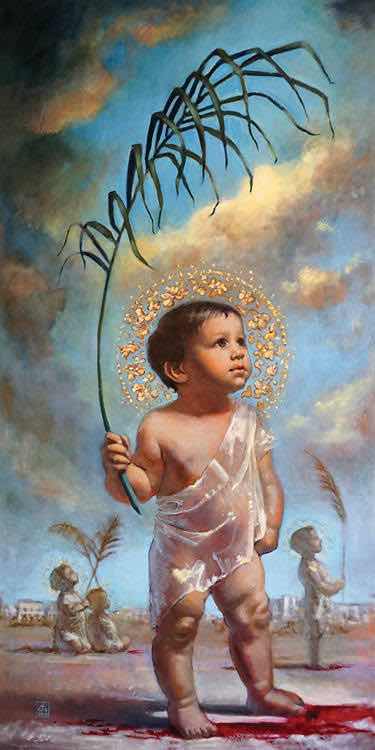
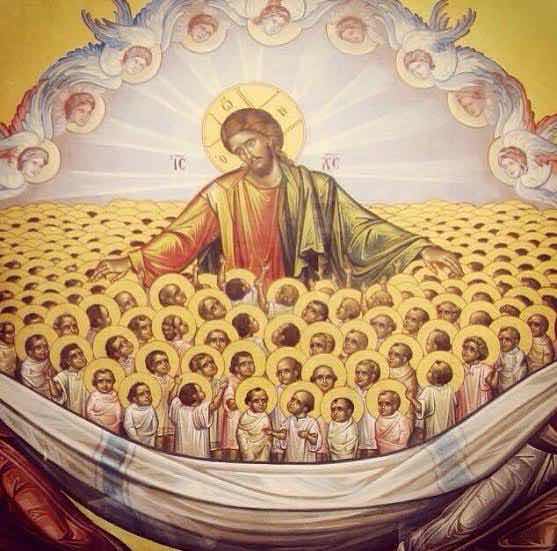
Today the Church celebrates the strange but beautiful and sad Feast of the Holy Innocents. 

During this time of joy, the Church has given us two martyrdoms to celebrate during the Christmas Octave - 26th December St Stephen the Deacon and now the Holy Innocents. You may be thinking to yourself - Why is the Church obsessed with martyrdom and why are we celebrating the horrible massacre of little babies and young boys? 

This is because the Church has always had a special veneration for the martyrs. Martyrs as witnesses to Christ are seen as the Christian par excellence, those who died for Christ share in a unique and special way in the Paschal Mystery of Christ. They were killed for him and now share in the fullness of redemption in heaven with him. Jesus did not take away suffering or death - but he redeemed and transformed it. This is why he was born, to free is from our sins and to defeat the power of death. So now the martyrs are the “first fruits” of the work of Christ and so we remember them and celebrate them in a special way, who now share in the new life in Christ. 

At the king’s command these innocent babies and little children were put to death; they died for Christ, and now in the glory of heaven as they follow him, the sinless Lamb, they sing for ever: Glory to you, O Lord.
(Benedictus Antiphon) 

But who are the Holy Innocents? 

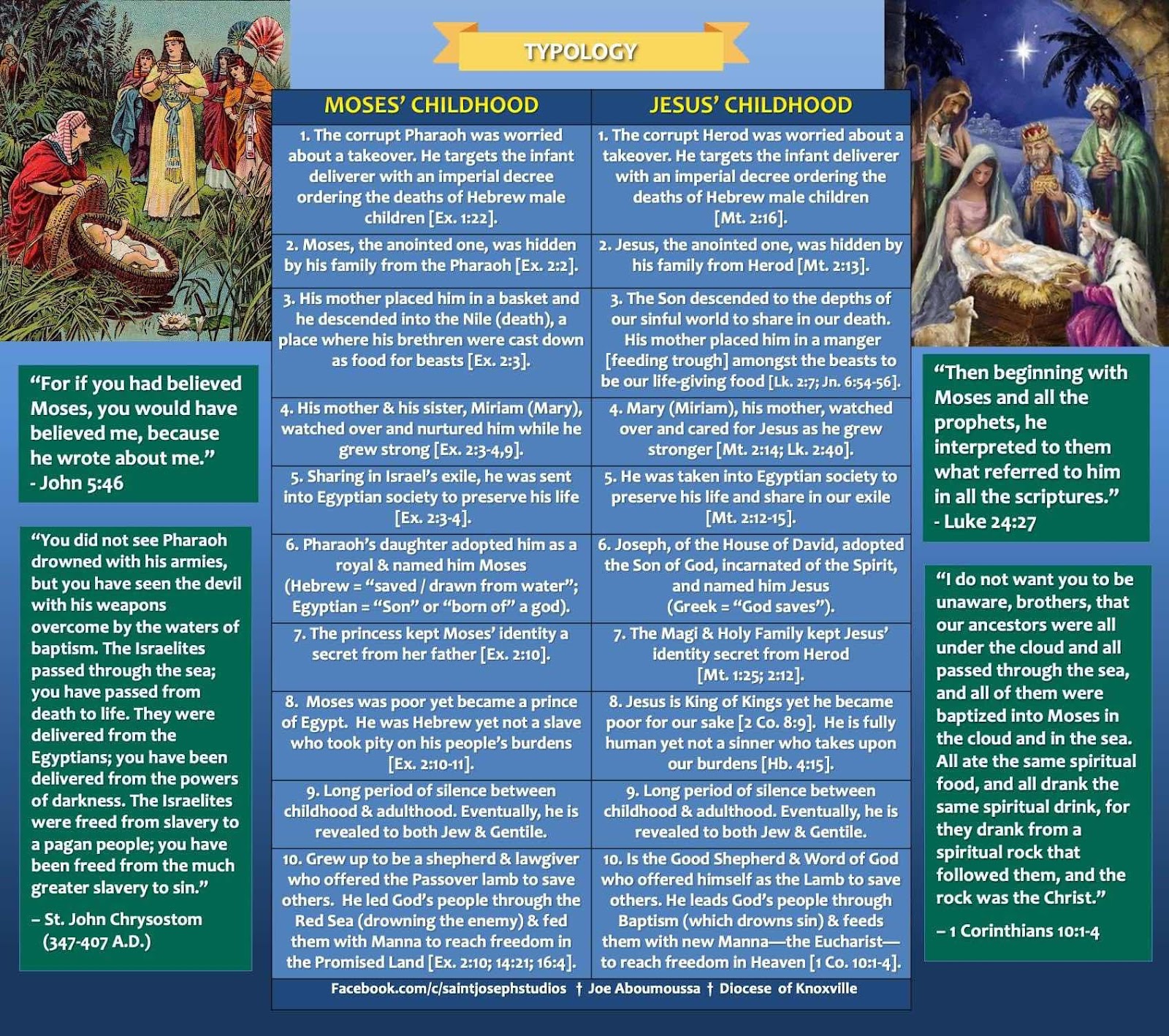
These were the young boys under the age of 2 killed by King Herod (Matthew 2:16–18). Herod was worried that the Messiah would dethrone him and he woiuld lose his power as the Messiah was to be the King of the Jews (Matthew 2:2-4). These young children killed for Christ as witnesses to him are also reminiscent of the young boys killed by Pharoah (Exodus 1:22). So this helps to highlight that Jesus the Christ child, is the New Moses who brings us out of slavery to sin and establishes the Church as the New Israel who worships in “spirit and in truth” (John 4:23-24) 

These Holy Innocents were killed for no other reason but because of Christ. They were killed because of Christ, and interestingly enough they were killed in his place. So the paradox here is that by dying for Christ, they now partake of the blessings of the death of Christ who also died for them. This is why they have been referred to as the Martyr Flowers who are the buds and shoots of the new fruit of the Gospel. Death no longer has the final word - but Jesus does (Revelation 1:18). 

The Collect for today highlights that although as children they could not speak, by their death proclaimed Christ himself because that’s exactly why they were killed. So this is why the Church remembers and celebrates them as martyrs. 

Through the intercession of the Holy Innocents, may we too proclaim Christ by our life and words to share in his victory over death. 

O God, whom the Holy Innocents confessed
and proclaimed on this day,
not by speaking but by dying,
grant, we pray,
that the faith in you which we confess with our lips
may also speak through our manner of life.
Through our Lord Jesus Christ, your Son,
who lives and reigns with you in the unity of the Holy Spirit,
God, for ever and ever.


Monday, December 26, 2022

The adorable humanity of Christ - Love Incarnate

I hope you have all had a wonderful blessed Christmas! 

As we spend this time in celebration with family, friends, food and presents. Let us not forget to spend some time in awe meditating on the meaning of God becoming a little baby out of love for us. 

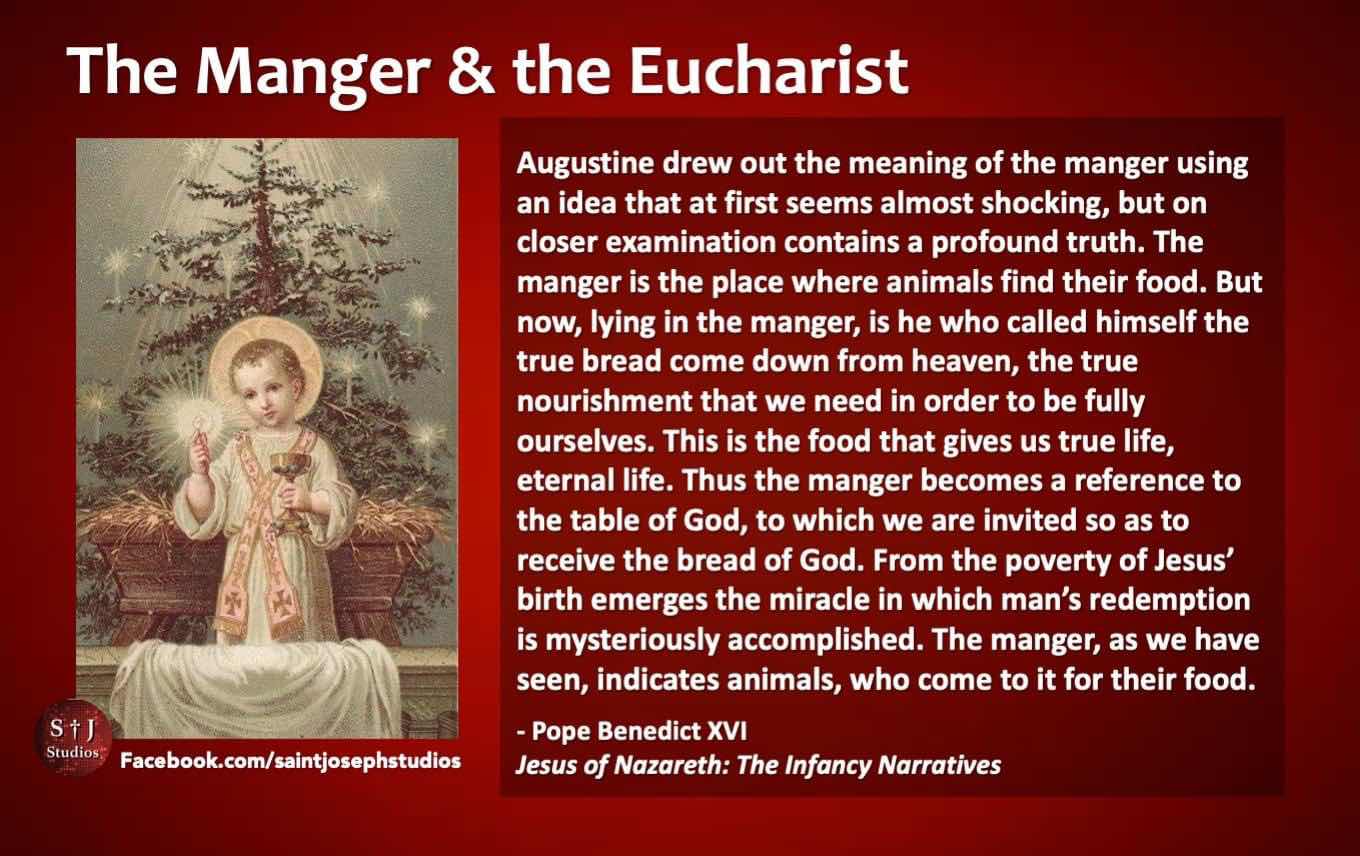
There’s many things we can meditate on, firstly, there’s the messianic prophecies in the Bible. Then there’s much beautiful typology in the Church Fathers that brings out the fulfillment of symbolism from the Bible and the birth of Jesus Christ. Examples of this are Jesus the New Adam born from the virgin earth of the Virgin Mary to recreate humanity, the link between the Eucharist and Bethlehem meaning “House of Bread” and Jesus in a manger (feeding trough), the gifts of the 3 kings symbolising the divinity, death and kingship of Christ etc.. even his being wrapped in swaddling cloths foreshadowed his death that he came to die for us and chose to experience out of love for us. 

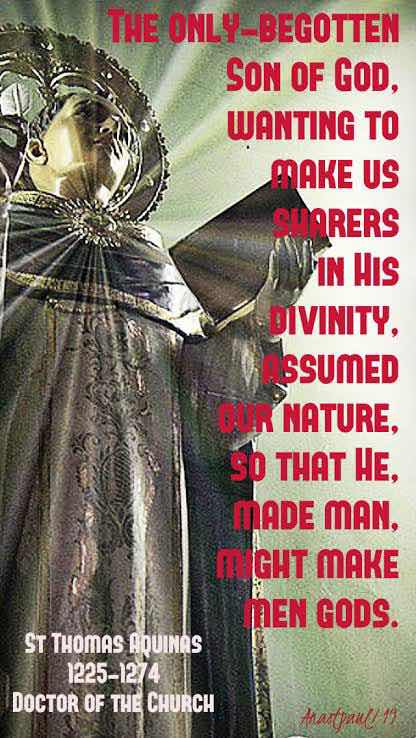
More specifically is the insight from majority of the Church Fathers on God becoming human to raise up our fallen humanity to share in His divinity - this is called the “Wondrous exchange”, and summarised by the old patristic expression of “God became man, so man could become gods” (Sts Irenaeus, Justin Martyr, Hippolytus, Athanasius, Gregory of Nyssa, Cyril of Alexandria, Augustine, Maximus the Confessor, Clement of Alexandria, Gregory Nazianzus, Basil).  This is further developed into the doctrine of Theosis which is also known as Divinisation - where through grace we are sanctified and divinised to share in the Divine Life of the Trinity (2 Peter 1:4). 

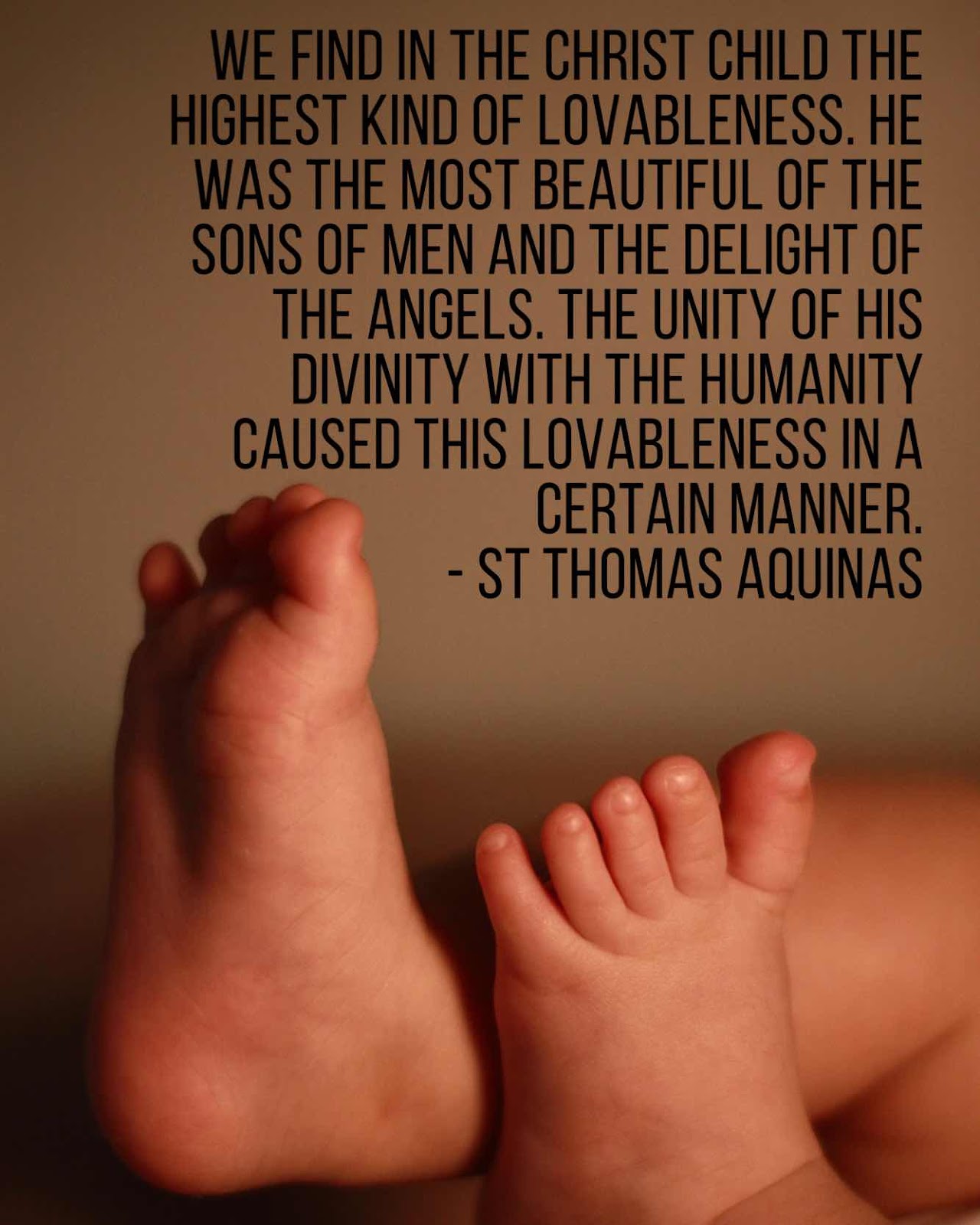
Another beautiful thing I came across yesterday are these insights from St Thomas Aquinas on the Incarnation. The humanity of Jesus becoming a little child helps us to see the beauty of humanity, the innocence of babies and how God became “cute” or loveable as a little baby who we now worship and adore. All truly heartwarming and wonderful things to consider this Christmas, especially for those of you who are parents. The Eternal Invisible God now has a face and body just like ours. 

The Incarnation shows is the dignity of our humanity and our own bodies. God is worshipped physically and our own bodies will be raised to immortality at the Resurrection. Our bodies will share in the glory of the Resurrected Jesus in the same manner that the Eternal Word of God shared in our humanity by being born as a helpless little baby in Bethlehem 2000 years ago. The closeness and tenderness of God was manifested in the birth of Jesus, but still continues in the Sacraments of the Church and through our communion with eachother in the Mystical Body of the Church. 

God was willing to experience nakedness, cold, pain, helplessness, homelessness, persecution, rejection and death - all to have intimacy and union with you and me! All suffering is now redeemed and we can even experience God through suffering because it has now been transformed. God is always present to us and with us, no matter what - in our joys and struggles, in our relationships and loneliness. This is what we celebrate at Christmas, the miracle of God in the flesh - Love Incarnate. 

O come let us adore Him! Christ the Lord, our Saviour and Redeemer.


Thursday, December 22, 2022

Does your faith bring you joy?

I have found this to be true in my own spiritual life. How about you? 


For most of us, our faith is lived as an obligation to fulfill, something burdensome, a box to be ticked off so we can say we are a "good" person. But it does not transform our lives. 

How many Catholics have you met who are considered "devout" Catholics that attend Mass on Sundays and pray, but yet they are often unhappy, bitter, angry or self righteous people. Where is their joy?

Often they focus on how bad and evil the world is. How corrupt everyone else is, how sinful everyone else is - the focus is always on everyone else, and not themselves or their own sins and struggles. This leads to pride, self righteousness, resentment and worse of all, bitterness. Or in scriptural language, this is phariseeism. (Luke 18:11)

When we understand the Good News of Salvation and it touches our heart, then we do not need to walk about preaching to others, but instead our entire way of living would be a moment of evangelisation (Isaiah 52:7). We would invite people to "Come and See" the Saviour (John 1:39-41) who loves me personally (Galatians 2:20), and also loves them. The Good News of the Gospel is to be shared, not forced upon people (Matthew 10:14-16).
 
If we really believed and understood our faith, we would be shouting it from the rooftops! (Isaiah 40:9, Matthew 10:27)

If our faith was an encounter with the Living God, and not an obligation to be fulfilled - then we would have joy. The beauty of holiness (Psalm 96:9) would shine forth in our life, that we would not even have to preach to others, they would come to us and ask us what is different in our life compared to theirs. When we understand that the Love of God is poured into our hearts (Romans 5:5), and we can only love because God loved us first (1 John 3:16, 1 John 4:19) - then it changes our way of thinking (Ephesians 4:23, Romans 12:2). 

How many of us really understand and believe the following?:
  • We have been redeemed from sin, darkness and the power of Satan (Colossians 1:13, Ephesians 2:2, Galatians 5:1, Matthew 1:21)
  • We are Temples of the Holy Spirit (1 Corinthians 3:16, 1 Corinthians 6:19, Romans 8:9, 2 Corinthians 6:16) 
  • We are new creations in Christ and have life everlasting (2 Corinthians 5:17, Romans 6:4, John 5:24, 1 John 3:14)
  • We are beloved Children of the Father (John 1:12, John 16:27, Romans 8:14-16)
  • We are coheirs of the Kingdom (Romans 8:17, Matthew 25:34, Revelation 3:21)
  • We are a Royal Priesthood who have direct access to God (1 Peter 2:9, Revelation 1:6) 
  • We know the words of Eternal Life (John 6:68, John 12:50, John 17:8)
  • We eat the Bread of Life and life within us (John 6:35, John 6:47-49, John 6:51, John 5:58)
  • That the Most Holy Trinity dwells in us and has their home in us (John 14:23, Revelation 3:20, Romans 6:10-11)
  • Following Jesus is not a burden, he gives rest to the weary (Matthew 11:28-30) 
  • That our thirst is satisfied by streams of Living Water (John 4:14, John 7:38) 
  • We are blessed because we believe (John 20:29, Matthew 13:16, 1 Peter 1:8, 1 Corinthians1:6-8)
This Christmas I invite you to reflect on what your faith means to you. If it is not a source of joy, then why? What do you understand about your faith?

Take some time to meditate on the fact that the infant born on Christmas day, the Word made Flesh (John 1:14), is also waiting for us (Matthew 28:20) in all the tabernacles in all the Catholic Churches around the world. He is waiting for us to adore in silence (Matthew 2:2) and let him love us. Through the rhythm of the Church's Liturgy let yourself be drawn into the mystery we celebrate - the Love of God made flesh for you and me (Titus 4:4-7).

May your faith be always source of joy for you, so that your prayer life is a response to the love of God who loved you first (1 John 3:16, 1 John 4:19), and not merely an obligation or duty. Our joy is not based on ignoring suffering or wishful thinking, but it is based on the promises of Christ Himself and the blessings he has told us that will come (Matthew 5:12).

I pray that this Christmas season your joy may be complete (John 15:11) just as Our Lord Jesus himself wants for us all.


Sunday, December 18, 2022

God is with us

Emmanuel - God is with us! 

We hear this often throughout the year and specifically during Advent that “God is with us” - but what exactly does it mean? 

It means God is present with us and for us. God is not absent or distant. God is close, always near, faithful and reliable. This is what it means. God is with us and among us as one of us - We are His people, the sheep of his flock (Psalm 98:1-3). 

In salvation history throughout the Bible you will see that there is a progression of God’s revelation of Himself to the Hebrew people. In Genesis the term used for God is Elohim - which is a generic term for god/deity coming from the Semitic root word El. For Abraham He was the family’s personal god called El Shaddai (Genesis 17:1 - translated in English often as God Almighty) who revealed that He is greater than other gods. Then through Abraham’s son Isaac and grandson Jacob, they continued the relationship with El Shaddai as their personal family God. But then God further revealed Himself to Jacob and renamed him as Israel, which became the name of the people descended from the 3 Patriarchs. Then with Moses, he was the “God of Abraham, Isaac and Jacob” who gave the Hebrew people a national identity through laws. But he further revealed himself even more personally as YHWH (Exodus 3:14), which means “I am who I am”. 

Later on the people and nation of Israel become a kingdom and under King David he is invoked as Yahweh Sabaoth - The Lord of Hosts/Armies (1 Samuel 17:45). He is the warrior God who defends and protects the kingdom of Israel and his annointed/messiah king David. 

Then in the New Testament we see that the “God of Abraham, Isaac & Jacob” (Matthew 22:31–32, Acts 3:13) reveals Himself through the person of Jesus (John 1:14) the Messiah (Christ) to be the One True God of all peoples who will bring them into His family of the Church. God is now revealed as a trinity of persons - Father, Son & Holy Spirit who brings all people to Himself through Jesus and his eternal covenant (Matthew 26:28). These are the words we hear at every Sacrifice of the Mass as they are part of the words of consecration of the Eucharist. 

So in Jesus we know the Father and the Holy Spirit. God is so personal that He is Our Father (Matthew 6:9) who calls us his children (John 1:11-12). Jesus fulfills all the prophecies about God dwelling with His people (Exodus 29:45-46, Leviticus 26:11, Numbers 35:34, 1 Kings 6:13, Ezekiel 37:27, Ezekiel 43:7-9, Zechariah 2:10-11, Isaiah 57:15). 

The new Israel (which means People of God) is now the Church (Galatians 6:16). Just like Israel we have a Lawgiver greater than Moses, and a Messiah King greater than King David (Matthew 22:45) the Shepherd boy. We have the Good Shepherd (John 10:11) who is the greatest of all the prophets (Matthew 12:41, Matthew 17:1-5), who is greater than Moses and is the True Bread of Life greater than the manna in the desert (John 6:30-69). 

God IS with us. God is personally present to each one of us, living in us as His children. Even more than that we are temples of the Holy Spirit (1 Corinthians 6:19-20) and Jesus Himself said He would always be with us (Matthew 28:20). Jesus promised to be among us in our communal prayers (Matthew 18:20), that He and the Father would make their home in us (John 14:23) and that He is present in the “breaking of the bread” the Eucharist (Luke 24:35, John 6:53).  

This final week of Advent, take time to reflect on how and where God is present in your life. Spend some time in prayer or silence where possible. Read the Bible to understand more the biblical typology and prophecies fulfilled by Jesus and how this continues now in the Sacraments of the Church. 

Jesus wants you to be able to feel and see him, to taste him in the Eucharist so that with the eyes of faith we can can confidently say “God is with us!” (Romans 8:31)


Saturday, December 17, 2022

The hope of Advent and meditating on the incarnation


As we enter the last week of Advent, the Church gives us these beautiful antiphons in the Divine Office for vespers before the Magnificat. These antiphons go back to the 8th century. They focus on different aspects of Messianic prophecies regarding Jesus in the Bible. You will also hear in the Gospel Alleluia simplified versions of these sane antiphons for each corresponding day. 

We know that our faith begins and ends with Jesus, the Word made Flesh, God with us (Matthew 1:23) who is the author and perfecter of our faith (Hebrews 12:2). All of our hope stems from the mystery of the incarnation, God dwelling among us as one of us. This is what gives us our light and strength to share the love of God with others. Then through the resurrection we have a greater hope that not only will Jesus restore peace and justice in the world when he returns as King, but he has already defeated death. So just as he assumed human nature and was born a child, so too, our humanity now united with his will come to share in the resurrection. 

This coming week I invite you to meditate on the mystery of the hope we have in Jesus. He is the hope of the world, hope of the nations, hope of all who suffer - but also my hope, your hope

The mystery of God becoming man is something the Church has pondered, wondered, celebrated and contemplated in awe for 2000 years. God became a helpless infant to share in our struggles, to be in solidarity with our suffering, to teach us humility and show us also our dignity. Through the birth of Jesus, he mysteriously and concretely united himself to each one of us in personal, unique and intimate way. As a priest said to me many years ago “even if you were the only person on earth, Jesus would still have been born for you, and died for you. That’s how much he loves you and how important you are to him.” 

Through the mystery of Christmas, God has united himself to us so intimately that all of our struggles, suffering, worries, stresses, happiness, joys and hope are now also shared with him. United to him, even these things are now redemptive in the sense that they can become part of our sanctification and salvation. God did not become human to remove or abolish suffering - he experienced it and transformed it. 

No matter what you are going through this year - family problems, financial stress, loss of your job, problems with your children, a relationship break up, mental health struggles, physical health issues or loneliness. God loves you so much that he chose to become human, born in a little middle eastern town, was rejected, unwanted, lived as a refugee, misunderstood all his life, persecuted and crucified - all so you could be united with him in heaven. This is the glorious mystery that many of the Church Fathers used to repeat - God became what we are, so we can become what he is. He not only restores and raises up our fallen nature, but he elevates and glorifies it. 

God is not distant. Nor is God absent from our lives. God cares about you and is always calling you into relationship, deeper union and intimacy with him. As Catholics we have physical reminders of this in the Sacraments - signs instituted by Jesus himself to leave us reminders of his love, presence and power. The Church and especially the Sacraments are an extension or a prolongation of the Incarnation itself. God dwells with us and among us (Revelation 21:3). This is the meaning of the prophecy of Immanuel “God is with us” in Isaiah 7:14, and is fulfilled in the little town of Bethlehem (House of bread) in an animal trough (Luke 2:7) where the Bread of Life (John 6:35), the Word of God became flesh (John 1:14) who would save us from our sins (Matthew 1:21). 

—————————
- December 17 (ref.. Isaiah 11:2-3, Isaiah 28:29, Sirach 24:5, Wisdom 8:1, Isaiah 40:14, Proverbs 1:20; 8; 9, I Corinthians 1:30, Revelation 22:20) 

O Sapiéntia, quæ ex ore Altissimi prodiisti,
attingens á fine usque ad finem fórtiter, 
suavitérque dispónens ómnia: 
veni ad docéndum nos viam prudéntiæ.
O Wisdom, O holy Word of God,
you govern all creation with your strong yet tender care:
Come and show your people the way to salvation

- December 18 (ref.. Isaiah 11:4-5, Isaiah 33:22, Micah 5:2, Matthew 2:6, Judith 16:16, Exodus 8:3, I Chronicles 17:7, Exodus 3:2, Acts 7:30, Exodus 6:3, Exodus 6:6) 

O Adonai, et dux domus Israël,
qui Moyse in igne flammæ rubi apparuísti,
et ei in Sina legem dedísti: 
veni ad rediméndum nos in bráchio exténto.
O Sacred Lord of ancient Israel,
who showed yourself to Moses in the burning bush,
who gave him the holy law on Sinai mountain:
Come, stretch out your mighty hand to set us free.

- December 19 (ref.. Isaiah 11:1, Isaiah 11:10, Romans 15:12, Isaiah 52:15, Psalm 39:18, Hebrews 10:37, Revelation 5:5) 

O Radix Jesse, qui stas in signum populôrum,
super quem continébunt reges os suum, 
quem gentes deprecabúntur: 
veni ad liberándum nos, jam noli tardâre.
O Flower of Jesse’s stem,
you have been raised up as a sign for all peoples;
kings stand silent in your presence;
the nations bow down in worship before you.
Come, let nothing keep you from coming to our aid.

- December 20 (ref.. Isaiah 22:22, Isaiah 42:7, Isaiah 9:2, Apocalypse 3:7, Genesis 49:10, Luke 1:79) 

O Clavis David, et sceptrum domus Israël,
qui áperis, et nemo claudit: 
claudis, et nemo áperuit: 
veni, et educ vinctum de domo cárceris,
sedéntem in ténebris, et umbra mortis.
O Key of David, O royal Power of Israel,
controlling at your will the gate of heaven:
Come, break down the prison walls of death
for those who dwell in darkness and the shadow of death;
and lead your captive people into freedom.

- December 21 (ref.. Isaiah 9:2, Luke 1:78-79, Malachi 4:2, Zechariah 6:12, Wisdom 7:26) 

O Óriens, splendor lucis ætérnæ, et sol justitiæ: 
veni, et illúmina sédentes in ténebris, et umbra mortis.
O Radiant Dawn,
splendor of eternal light, sun of justice:
come and shine on those who dwell in darkness and in the
shadow of death.

- December 22 (ref.. Isaiah 9:6-7, Isaiah 2:4, Haggai 2:8, Ephesians 2:14, 19-20, Jeremiah 10:7, Ephesians 2:14, Genesis 2:7, Revelation 15:3, Psalm 118:22, Isaiah 28:16, Matthew 21:42, Mark 12:10, Luke 20:17, Acts 4:11, I Peter 2:6, Haggai 2:8) 

O Rex Géntium, et desiderâtus eârum,
lapísque angulâris, qui facis útraque unum: 
veni, et salva hóminem, quem de limo formásti.
O King of all the nations, the only joy of every human heart;
O Keystone of the mighty arch of man:
Come and save the creature you fashioned from the dust.

- December 23 (ref.. Isaiah 7:14, Matthew 1:23, Isaiah 8:8, Isaiah 33:22, Isaiah 37:10, Genesis 49:10, Haggai 2:7)

O Emmánuél, Rex et légifer noster,
expéctátio Géntium, et Salvâtor eârum: 
veni ad salvandum nos, Dómine, Deus noster.
O Emmanuel, our King and Lawgiver,
the Desire of all Nations, and their Saviour:
Come and save us,
O Lord our God.


Thursday, December 15, 2022

Modern desert spirituality - shutup & pray


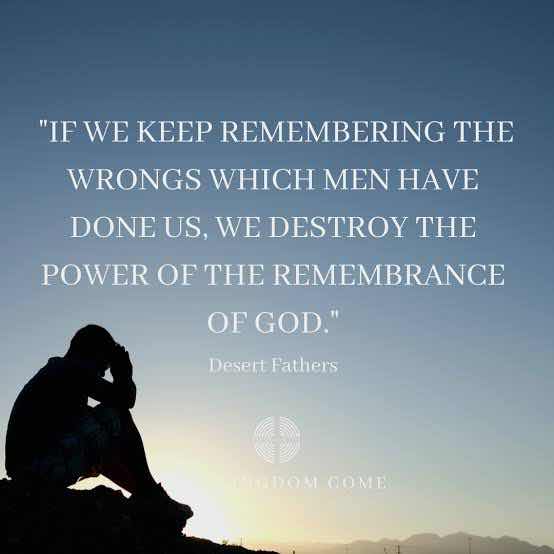
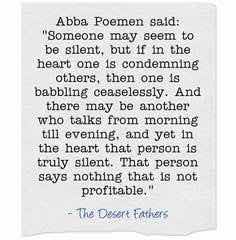
One of the things I love about the Desert Fathers is their bluntness regarding focusing on yourself, your prayer life and not judging others. I find it so refreshing. 

If I had to summarise them for modern ears it would be ”So what?! shutup and pray!” 😂

Is that person annoying? - so what?! Shutup and pray! 
Is this person being a hypocrite? - so what?! Shutup and pray! 
Did someone cut you off in traffic? - so what?! Shutup and pray! 
Did someone say something to offend you? - so what?! Shutup and pray! 


The more you learn to just shutup and pray, it is very liberating. Then you learn to accept people with all their faults and flaws, but love them as Jesus loves them. It gives you patience with yourself and with others. 

I still have a long way to go myself, but I have definitely felt the freedom the Holy Spirit gives (2 Corinthians 3:17) the deeper you enter into your spiritual life. The more you focus on what’s wrong with you instead of everyone eise. The more you understand and accept yourself as you are, while still trying to grow with grace to become a better person then you will slowly be transformed into a true Child of God (John 1:12, Romans 8:14, Matthew 6:9).